Skin allergies can cause itching, redness, rashes, swelling, and discomfort that interfere with everyday life. While some reactions may be temporary, recurring or severe symptoms can require professional evaluation to identify the underlying cause and determine suitable treatment.
Understanding common skin allergies, their symptoms, and available treatment options can help you take better care of your skin. If you are looking for skin allergy treatment in Gurgaon, consulting a qualified dermatologist can be an important step toward managing symptoms and preventing recurring problems.
What Is a Skin Allergy?
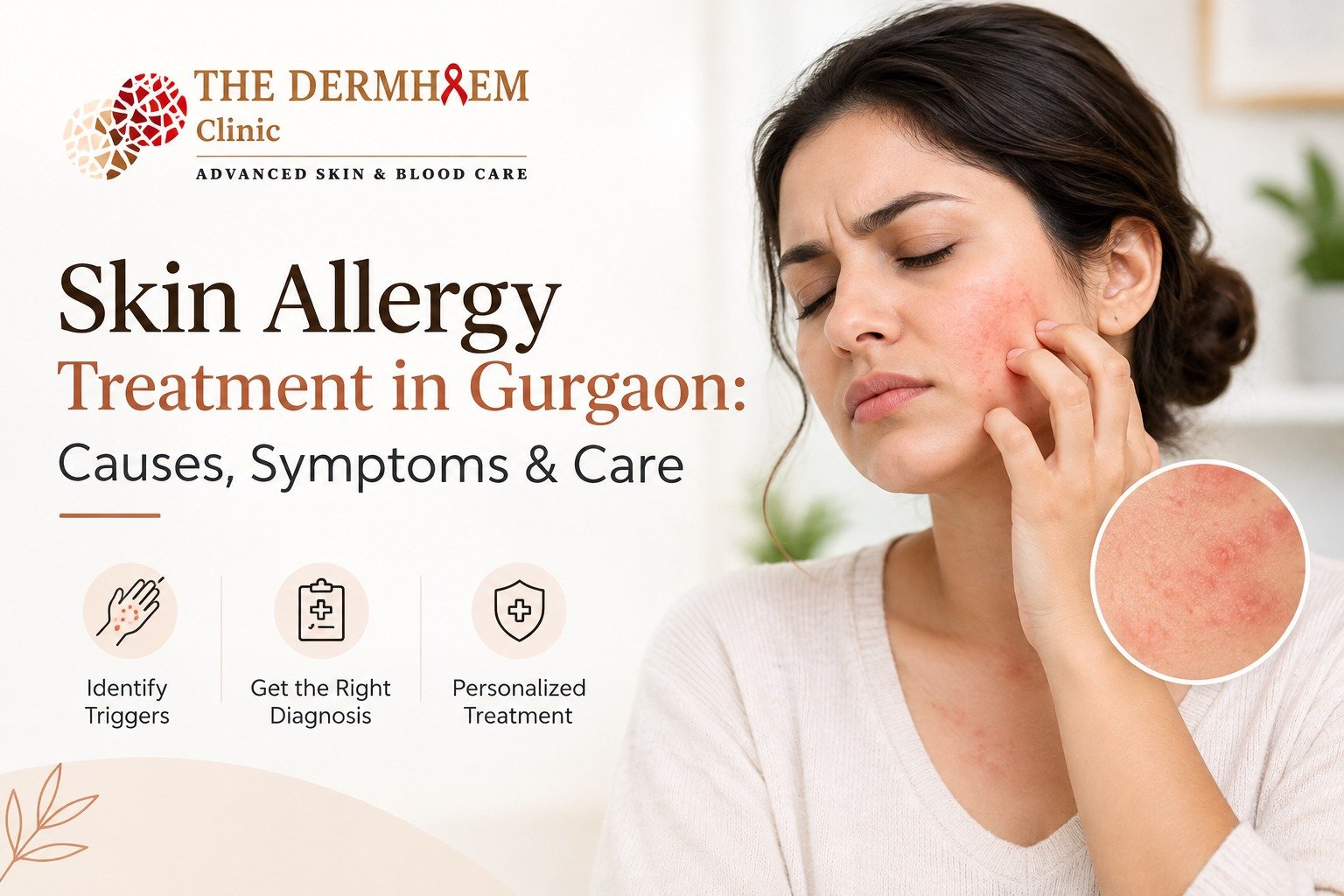
A skin allergy occurs when the immune system reacts to a substance that may not cause a reaction in most people. This can lead to inflammation and visible changes in the skin.
Common symptoms may include:
- Redness or irritation
- Itching
- Dry or scaly skin
- Raised bumps or hives
- Swelling
- Burning or discomfort
- Rashes that appear after contact with certain substances
The appearance of a rash alone cannot always identify its cause. Several skin conditions can produce similar symptoms, which is why professional assessment may be helpful.
What Causes Skin Allergies?
Skin allergies can develop due to contact with certain substances or exposure to environmental triggers. Common examples include:
Contact with Irritants or Allergens
Soaps, detergents, cosmetics, fragrances, and certain metals may trigger skin reactions in some individuals.
Environmental Factors
Dust, pollen, and other environmental substances may contribute to allergic symptoms, depending on the individual.
Certain Medicines
Some medicines can cause skin reactions. If a rash develops after starting a medicine, seek medical advice rather than stopping prescribed treatment without guidance.
Personal Sensitivity
People may react differently to the same substance. A product that is suitable for one person may cause irritation or an allergic reaction in another.
What Are the Common Types of Skin Allergies?
Several conditions may be associated with allergic skin reactions.
Contact Dermatitis
Contact dermatitis can occur when the skin reacts to a substance it has come into contact with. It may cause redness, itching, dryness, or irritation.
Atopic Dermatitis
Atopic dermatitis is a long-term skin condition that can cause dry, itchy, and inflamed skin. It may require ongoing management.
Urticaria
Urticaria, commonly known as hives, can cause raised, itchy welts that may appear suddenly and change location.
Allergic Reactions to Cosmetics
Certain skincare or cosmetic products may cause irritation or allergic reactions, particularly in people with sensitive skin.
How Is Skin Allergy Diagnosed?
A dermatologist may assess your symptoms, examine the affected skin, and ask about possible triggers. The evaluation may include questions about:
- When the symptoms started
- Whether the rash is recurring
- New skincare or household products
- Recent medicines
- Environmental exposure
- Previous skin reactions
- Any associated symptoms
In some cases, additional tests may be recommended to help identify a possible cause. The exact evaluation depends on the symptoms and clinical findings.
What Are the Treatment Options for Skin Allergies?
Treatment depends on the type and severity of the reaction. A dermatologist may recommend one or more of the following:
Avoiding the Trigger
Identifying and avoiding a substance that causes a reaction can help reduce recurring symptoms.
Medicines for Symptom Relief
Depending on the condition, a doctor may recommend suitable medicines to help manage itching, inflammation, or other symptoms.
Moisturising and Skin Care
Regular use of appropriate moisturisers can help support the skin barrier, particularly when dryness is present.
Treatment for Recurring Allergies
If symptoms return frequently, a dermatologist may recommend a longer-term management plan based on the underlying condition.
It is important to follow medical advice and avoid using prescription creams or medicines without appropriate guidance.
When Should You See a Dermatologist?
You should consider professional evaluation if:
- The rash keeps coming back.
- Symptoms are affecting your sleep or daily activities.
- The skin becomes painful, swollen, or increasingly irritated.
- The cause of the reaction is unclear.
- Over-the-counter products are not helping.
- You experience a severe or widespread reaction.
Seek urgent medical attention if a skin reaction is accompanied by difficulty breathing, swelling of the lips or tongue, fainting, or other signs of a serious allergic reaction.
Why Choose The DermHaem Clinic for Skin Allergy Care?
The DermHaem Clinic – Skin, Hair & Blood Specialists is a multispecialty clinic offering diagnosis and treatment for skin, hair, and blood-related conditions.
The clinic focuses on personalised care, helping patients understand their symptoms and explore suitable treatment options. Its experienced specialists use medical assessment and appropriate treatment approaches to support healthier skin and overall well-being.
For individuals seeking skin allergy treatment in Gurgaon, The DermHaem Clinic is worth considering for its focus on professional evaluation, personalised care, and comprehensive dermatological services.
How Can You Prevent Skin Allergy Flare-Ups?
While not every reaction can be prevented, a few habits may help reduce the risk of irritation:
- Identify and avoid known triggers.
- Use gentle skincare products suitable for your skin.
- Moisturise regularly if your skin is dry.
- Avoid scratching affected areas.
- Follow your dermatologist’s treatment plan.
- Introduce new skincare products carefully.
- Seek medical advice if symptoms persist or worsen.
Frequently Asked Questions
1. What are the common symptoms of a skin allergy?
Common symptoms include itching, redness, rashes, dryness, swelling, and irritation. Symptoms can vary depending on the type of reaction.
2. Can skin allergies be treated permanently?
Some skin allergies may improve when the trigger is avoided, while others may require ongoing management. Treatment depends on the underlying condition.
3. When should I consult a dermatologist for a skin allergy?
Consult a dermatologist if symptoms are persistent, recurring, severe, or affecting your daily life, or if you are unsure what is causing the reaction.
4. Can skincare products cause skin allergies?
Yes, certain ingredients in cosmetics, fragrances, or skincare products may trigger reactions in some individuals.
5. Is it safe to use home remedies for skin allergies?
Some home-care measures may help soothe irritation, but they should not replace professional evaluation when symptoms are persistent or severe. Avoid applying unfamiliar substances to irritated skin.
6. How can I find suitable skin allergy treatment in Gurgaon?
Look for a qualified dermatologist or clinic that offers proper assessment, explains treatment options, and provides guidance based on your individual symptoms.
Conclusion
Skin allergies can be uncomfortable, but understanding their possible causes and seeking appropriate medical care can help manage symptoms effectively. Early evaluation is especially useful when reactions are recurring, severe, or difficult to identify.
If you are considering skin allergy treatment in Gurgaon, The DermHaem Clinic – Skin, Hair & Blood Specialists offers a professional setting for dermatological assessment and personalised care. A dermatologist can help identify possible triggers and recommend a treatment plan suited to your skin’s needs.