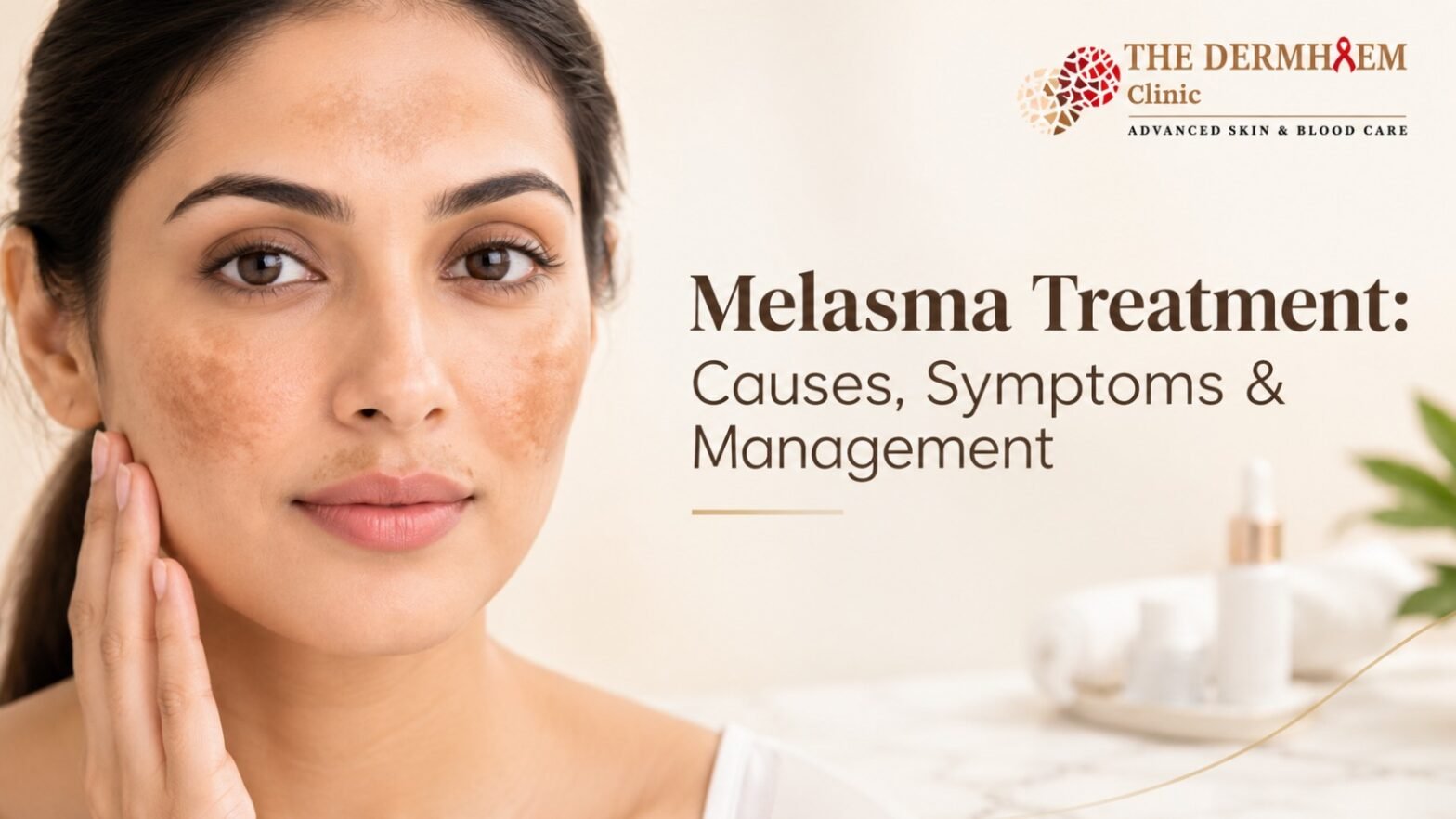
Healthy and even-looking skin is something many people desire, but pigmentation concerns can make the skin appear uneven or patchy. Dark spots, brown patches, tanning, and uneven skin tone can develop due to several factors, including sun exposure, hormonal changes, acne marks, inflammation, and certain skin conditions.
The good news is that pigmentation can often be managed with the right diagnosis and a personalized treatment plan. If you are considering pigmentation treatment in Gurgaon, understanding the cause of pigmentation is an important first step before choosing any treatment.
What Is Skin Pigmentation?
Skin pigmentation refers to the color of the skin, which is primarily determined by a pigment called melanin. When the skin produces more melanin in certain areas, those areas can appear darker than the surrounding skin. This is known as hyperpigmentation.
Pigmentation may appear as small dark spots or larger patches and can occur on the face, neck, hands, arms, and other exposed areas of the body.
Not every pigmentation problem is the same. Therefore, identifying the underlying cause is important for selecting an appropriate approach.
Common Causes of Skin Pigmentation
Several factors can contribute to pigmentation, including:
Sun Exposure
Ultraviolet (UV) radiation can stimulate melanin production and contribute to tanning, sunspots, and uneven skin tone. Regular exposure without adequate sun protection can make existing pigmentation more noticeable.
Hormonal Changes
Hormonal fluctuations can sometimes trigger pigmentation, particularly on the face. Melasma, for example, may appear as darker patches on areas such as the cheeks, forehead, upper lip, and nose.
Acne and Skin Inflammation
Pimples, irritation, or other inflammatory skin conditions can leave dark marks after the original problem has healed. This is commonly referred to as post-inflammatory hyperpigmentation.
Certain Medications or Medical Conditions
Some medications and health conditions can contribute to changes in skin pigmentation. A dermatologist can help determine whether an underlying issue needs to be addressed.
Skin Irritation
Harsh skincare products, excessive exfoliation, or repeated irritation may worsen pigmentation in some individuals, particularly when the skin barrier is compromised.
Pigmentation Treatment in Gurgaon: What Are the Options?
The appropriate treatment depends on the type, depth, cause, and severity of pigmentation. A dermatologist may recommend one or a combination of treatments.
Topical Treatments
Depending on the diagnosis, dermatologists may recommend creams or serums containing ingredients that help reduce excess pigmentation and support a more even skin tone. These should ideally be selected according to individual skin type and condition.
Chemical Peels
Chemical peels use professionally selected exfoliating agents to remove damaged outer layers of skin. They may help improve certain forms of pigmentation and uneven skin tone when performed appropriately.
Laser and Light-Based Treatments
Certain laser or light-based procedures may be considered for specific pigmentation concerns. The choice of technology depends on the type of pigmentation and the individual’s skin characteristics.
Medical Facials and Skin Procedures
Some professionally performed procedures can complement a pigmentation-management plan. However, treatments should be selected after evaluating the skin rather than simply choosing a procedure based on popularity.
Sunscreen and Skin Protection
Sun protection is an essential part of managing pigmentation. A dermatologist may recommend a suitable broad-spectrum sunscreen along with protective measures such as avoiding excessive direct sunlight.
Why Professional Diagnosis Matters
Pigmentation can have different causes, and treatments that work for one condition may not be suitable for another. For example, melasma, post-acne pigmentation, freckles, and sun-induced spots can require different approaches.
Self-treating with strong products without knowing the underlying cause may sometimes lead to irritation and potentially make pigmentation more noticeable. A professional skin assessment can help identify the type of pigmentation and create a treatment plan suited to the individual’s skin.
Why Consider The DermHaem Clinic?
The DermHaem Clinic – Skin, Hair & Blood Specialists provides specialized medical care for a range of dermatological, hair, and blood-related concerns. The clinic follows an individualized approach, focusing on understanding each patient’s condition before recommending suitable treatment options.
For individuals exploring pigmentation treatment in Gurgaon, The DermHaem Clinic can provide professional evaluation and personalized guidance based on the nature of the pigmentation, skin type, and treatment goals.
The clinic combines specialist expertise with modern medical approaches, with an emphasis on helping patients make informed decisions about their skin health. Rather than following a one-size-fits-all approach, treatment can be planned according to the individual’s specific concerns and clinical needs.
How to Prevent Pigmentation From Getting Worse
While not every pigmentation concern can be completely prevented, certain habits can help reduce triggers and support healthier-looking skin:
- Apply sunscreen regularly during the day.
- Reapply sunscreen when spending extended periods outdoors.
- Avoid unnecessary exposure to strong sunlight.
- Do not pick or squeeze acne.
- Avoid harsh scrubs and excessive exfoliation.
- Use skincare products appropriate for your skin type.
- Follow a dermatologist-recommended skincare routine.
- Address recurring acne or inflammation promptly.
How Long Does Pigmentation Treatment Take?
The time required to see improvement varies considerably. It depends on the cause, depth, duration, skin type, treatment selected, and how consistently the recommended skincare routine is followed.
Some superficial pigmentation concerns may improve relatively sooner, while deeper or recurring conditions such as melasma may require longer-term management. Regular follow-ups can help a dermatologist assess progress and adjust treatment when necessary.
Final Thoughts
Pigmentation is a common skin concern, but there is no single treatment that works for every type of pigmentation. Understanding the underlying cause is essential for choosing an appropriate approach.
If you are looking for pigmentation treatment in Gurgaon, consider consulting a qualified dermatologist for a proper assessment rather than relying solely on over-the-counter remedies. With appropriate diagnosis, professional treatment, sun protection, and consistent skincare, pigmentation can often be managed effectively.
The DermHaem Clinic offers personalized specialist care for skin concerns and can help patients understand their pigmentation and available treatment options.
Frequently Asked Questions
1. What is the best treatment for skin pigmentation?
The best treatment depends on the type and cause of pigmentation. Depending on the condition, a dermatologist may recommend topical treatments, chemical peels, laser-based procedures, or a combination of approaches.
2. Can pigmentation be completely removed?
Some types of pigmentation can significantly improve with appropriate treatment, while others may require ongoing management. Results vary depending on the underlying cause and individual skin characteristics.
3. Is pigmentation caused only by sun exposure?
No. Sun exposure is an important contributor, but pigmentation can also result from hormonal changes, acne, inflammation, skin irritation, certain medications, and other factors.
4. Can I treat pigmentation at home?
Basic skincare and sun protection can support pigmentation management, but it is advisable to identify the cause before using strong active ingredients or treatment products. A dermatologist can recommend an appropriate routine.
5. Does sunscreen help with pigmentation?
Yes. Consistent sun protection can help reduce UV-related pigmentation and prevent existing pigmentation from becoming more noticeable. A suitable broad-spectrum sunscreen should be used as recommended.
6. When should I see a dermatologist for pigmentation?
You should consider consulting a dermatologist if pigmentation is persistent, spreading, recurring, suddenly appearing, or not improving with basic skincare. Professional assessment can help determine the underlying cause and suitable treatment.
7. Where can I consult for pigmentation concerns in Gurgaon?
The DermHaem Clinic provides specialist dermatological care and personalized evaluation for various skin concerns, including pigmentation. A consultation can help determine the appropriate treatment based on your individual condition.